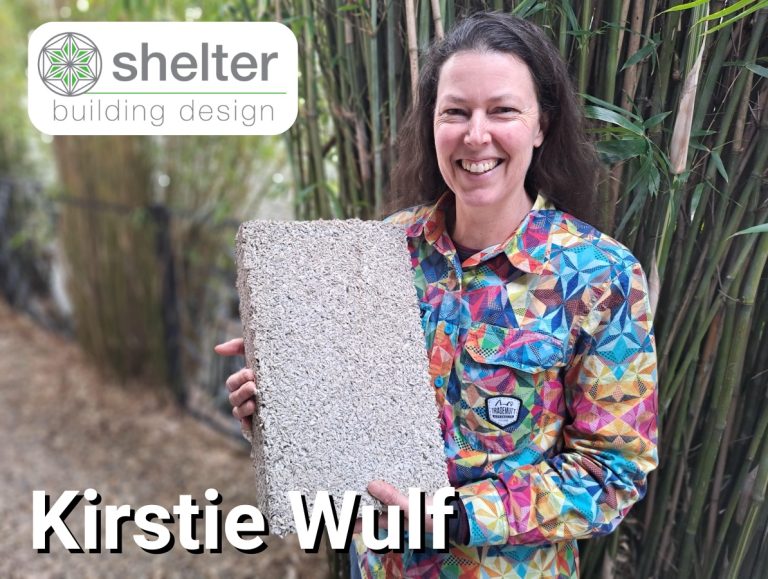
This article was disseminated from the original article on yourhome.gov.au about Understanding Hemp Masonry
Key Points
Hemp masonry is made from hemp hurd, lime, water, and sometimes sand. It’s breathable, thermally efficient, and locks away carbon while offering a renewable, low-impact option for construction.
Understanding Hemp Masonry
Hempcrete (hemp-lime composite) has been used for centuries and provides both comfort and sustainability. It insulates well, regulates humidity, and supports good air quality, all while being renewable, non-toxic and having fantastic fire resistance.
Buildability, Availability and Cost
Hempcrete is simple but can be labour-intensive to install on-site, though prefabricated panels and blocks are speeding things up. Materials are available across Australia and NZ, with costs comparable to well-insulated brick veneer.
Appearance
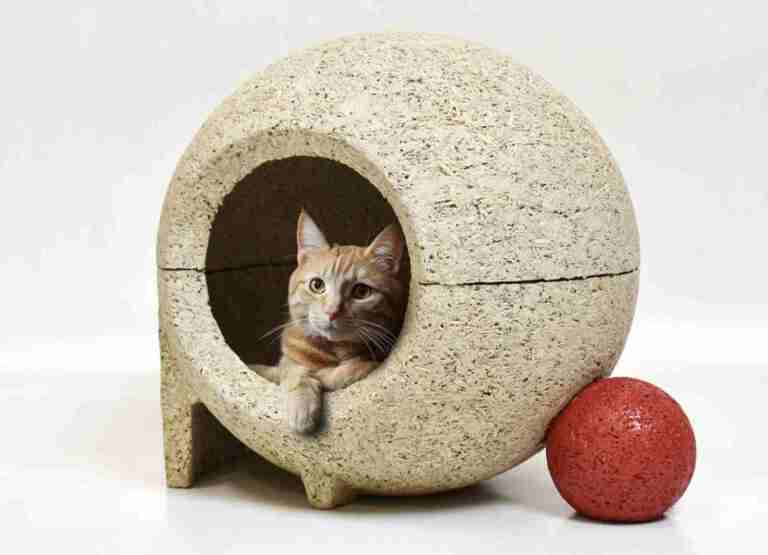
Raw hempcrete has a warm, natural honey colour and textured surface. It can be sealed to preserve the look, or rendered inside and out for protection and finish, with a range of breathable lime-based products available.
Structural Capability
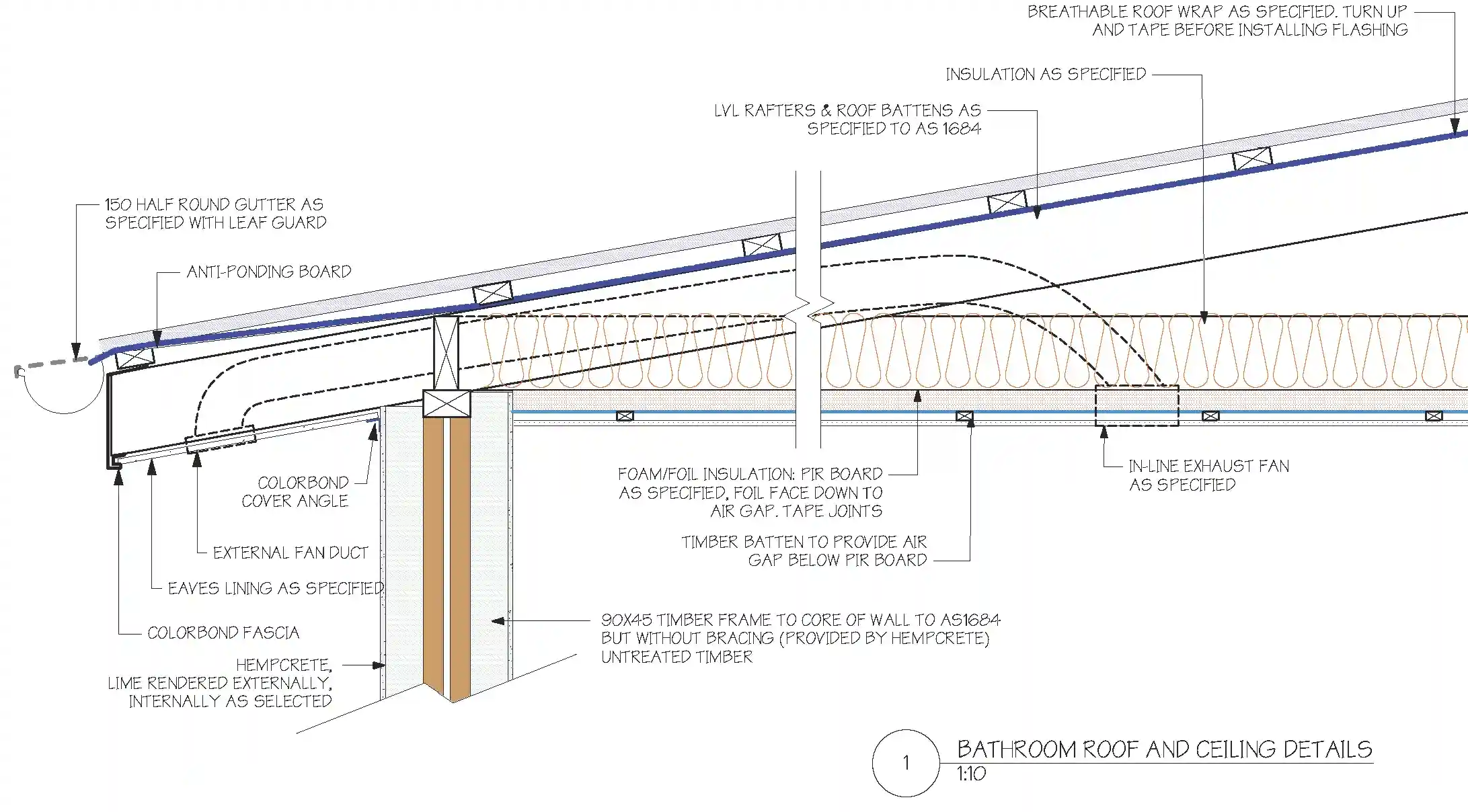
Hempcrete is not a load-bearing material. Instead, it’s used around timber frames, providing insulation and breathability while the frame carries the structural loads. It can also be applied for roof and floor insulation.
Durability and Moisture Resistance
Hempcrete cures over three months, becoming highly resistant to mould and effective at regulating humidity. Its breathable structure allows vapour to escape, reducing condensation risks in modern airtight buildings.
Thermal Mass and Insulation
A 300mm hempcrete wall achieves an R-value of 3.2–3.5, performing well in both hot and cold climates, making it suitable across most Australian regions.
Sound Insulation
The mass of hempcrete walls dampens sound effectively. Off-form finishes also absorb noise, creating quieter indoor spaces compared to reflective “live” rooms.
Fire and Pest Resistance
Hempcrete resists fire and termites. Testing shows it can withstand direct flame for over an hour without burning, while its mineral composition makes it unappealing to pests.
Toxicity and Breathability
Hempcrete is non-toxic once cured, though builders must handle lime carefully during mixing. Finished walls are among the most breathable materials available, balancing humidity and improving indoor air quality.
Environmental Impacts
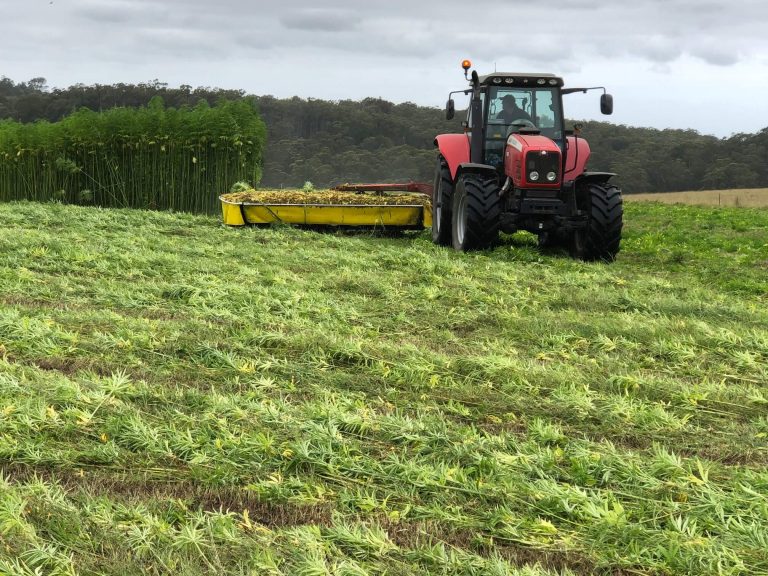
Hemp grows quickly, needs little water or fertiliser, and absorbs carbon as it grows. It can also remediate soils and improve biodiversity. Locally grown and processed hemp maximises benefits for the planet and rural economies.
Using Hemp Masonry
Hempcrete walls are formed around timber frames, with careful detailing around windows and doors to avoid cracking. External walls require breathable renders, while internal finishes can range from natural off-form textures to creative inclusions.
The Build Process
Hempcrete is mixed on-site and installed in layers around a pre-built timber frame. It’s tamped lightly (not compacted) to preserve insulation properties, then left to cure for strength and durability.
Frames
Wall frames need thoughtful design for hempcrete, using fewer studs and avoiding large timber clusters that may split the wall. Bracing and blocking must be lime-resistant, with careful detailing for wet areas and heavy fixtures.
Using Hempcrete for Insulation
A lighter hemp-lime mix without sand can be applied in ceilings and subfloors. While less insulating per thickness than synthetic products, it adds carbon storage, acoustic benefits, and natural breathability.
Disclaimer
HBD do not warrant the quality or experience of anyone listed on this directory.
We have relied on the information provided by the business and its representatives.
This site is not intended to provide and does not constitute building advice, or other professional advice.
This is an ad by Google