Innovation in hemp building rarely comes from laboratories. It usually happens on building sites, where experienced builders refine methods to make hemp construction faster, safer, and easier to deliver.
A recent studio project in the Blue Mountains offers a great example.
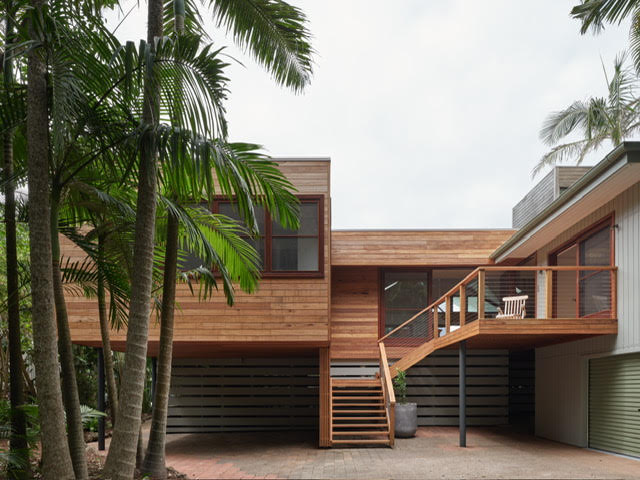
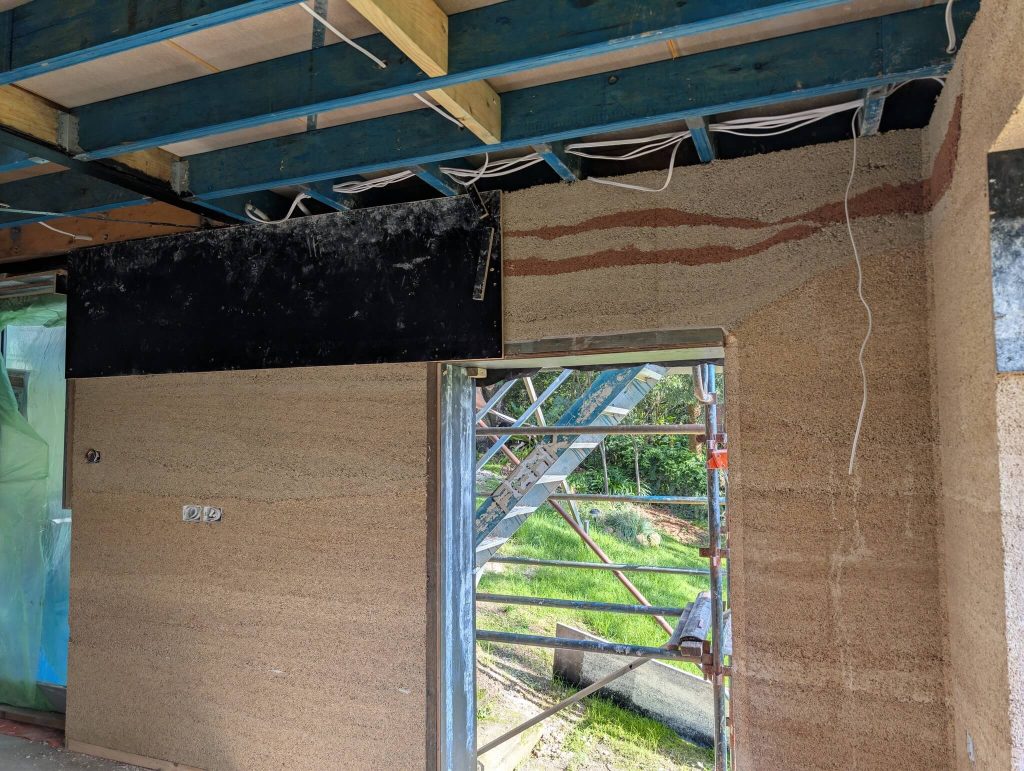
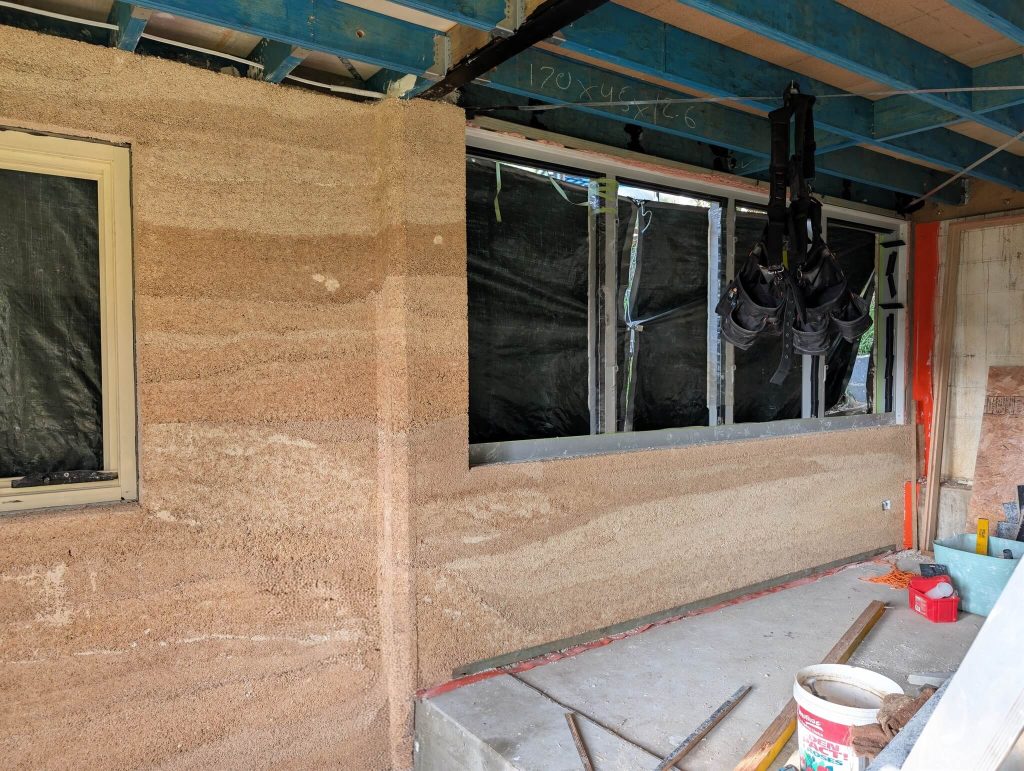
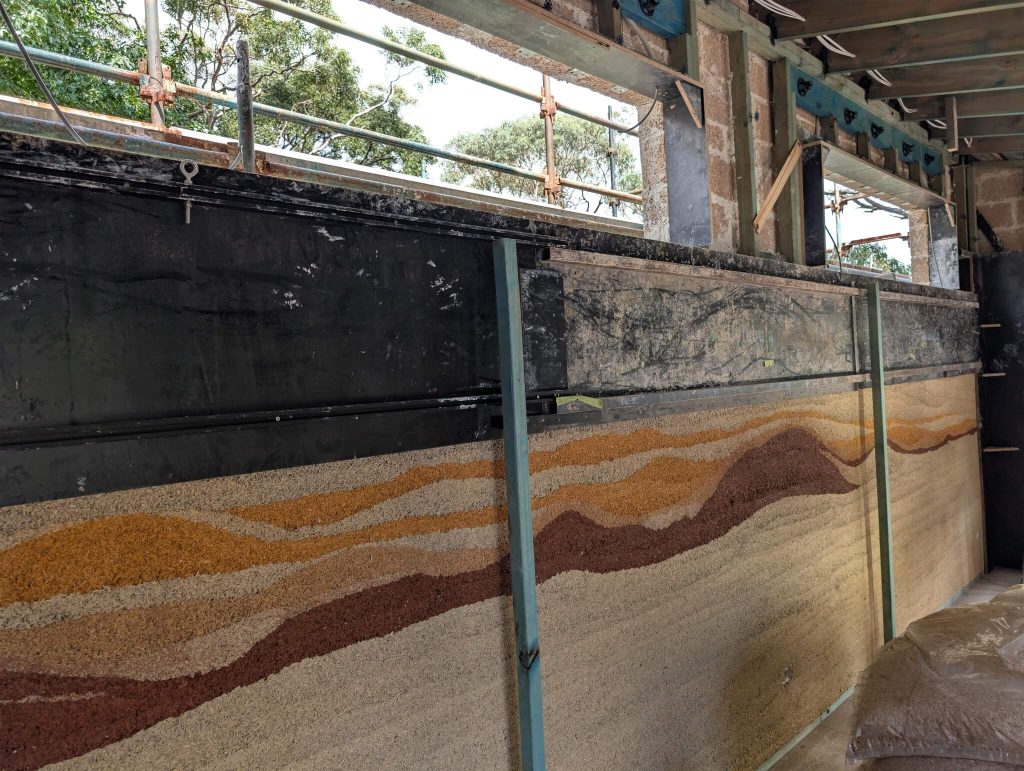
Builder Dan El Milo is completing a hempcrete studio in Lawson using a hybrid construction method that combines hempcrete blocks, cast-in-situ hempcrete, and a crank-based slipform formwork system.
The result demonstrates how combining different hemp construction techniques can significantly improve build efficiency while maintaining the performance and aesthetic qualities hempcrete is known for.
What Is Crank Formwork for Hempcrete?
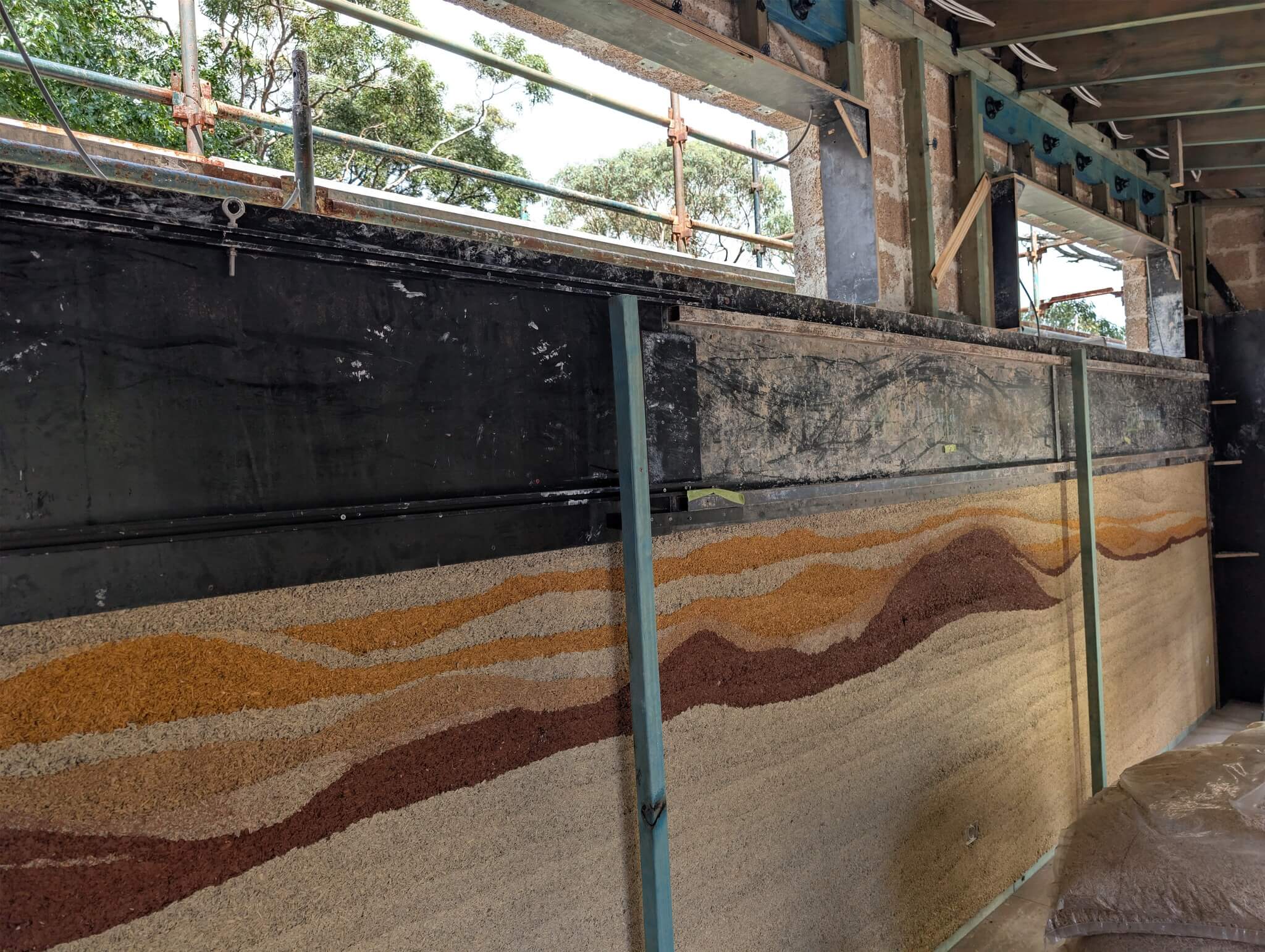
One of the most interesting aspects of the build is the crank-based formwork system developed by James Isaacs from Belubula Hemp Homes.
Drawing on years of building experience, and a background in sailing and rigging, Isaacs developed a mechanical lifting system that allows large sections of hempcrete formwork to be raised smoothly using mechanical jacks.
Instead of dismantling and rebuilding formwork after each lift, the boards can be progressively raised as the wall is packed with hempcrete.
This slipform approach dramatically reduces downtime between mixes and significantly improves safety on site by minimising heavy lifting at height.
On well-organised builds, the system can support daily outputs of 20–30 bags of hemp hurd, or roughly 10–15 double hempcrete mixes per day, representing a meaningful productivity improvement for small crews.
Why Hempcrete Blocks and Slipform Work Well Together
The Lawson studio also demonstrates the value of combining hempcrete blocks with cast-in-place hempcrete.
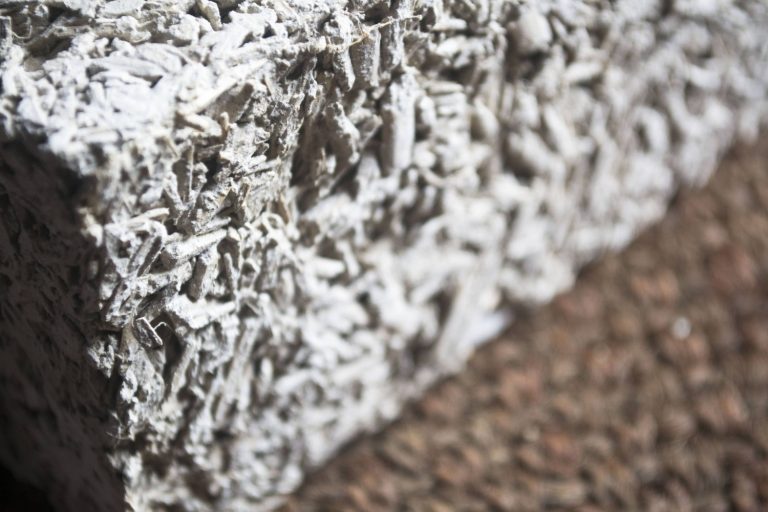
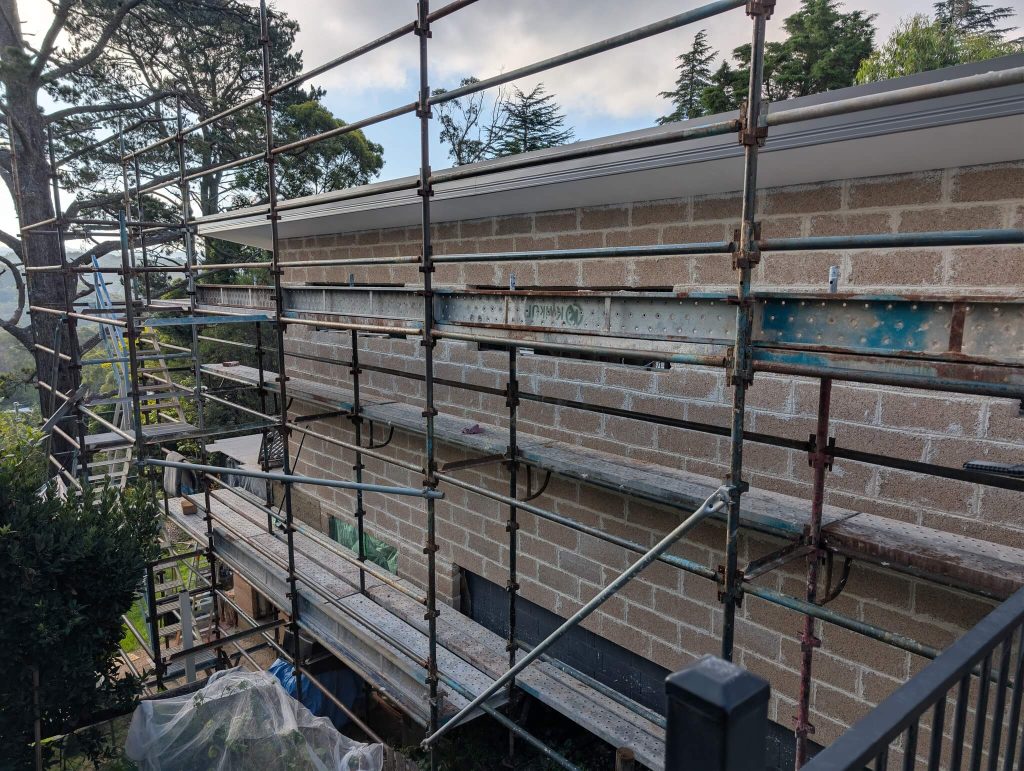
Blocks supplied by RespiraBuilt are used in parts of the structure, while cast hempcrete fills other sections of the wall.
This hybrid approach allows builders to use the strengths of each method where they make the most sense:
- Blocks provide speed and precision during the early stages of construction. The structure has a shel relatively quickly.
- Cast hempcrete creates a continuous monolithic wall with excellent thermal and moisture performance
- Slipform crank systems accelerate vertical wall construction
Together, these techniques allow builders to optimise workflow and reduce time spent repeatedly assembling and dismantling formwork.
…How Crank Formwork and Hempcrete Blocks Are Advancing Hemp Building…
Improving Speed and Safety on Hempcrete Builds
Traditional hempcrete formwork can become heavy and awkward as walls rise, particularly on taller projects.
The crank slipform system addresses several common challenges:
- Reduced manual lifting at height
- Faster wall construction cycles
- Smoother, more consistent wall finishes
- Longer lifespan for formwork systems
- More efficient use of labour
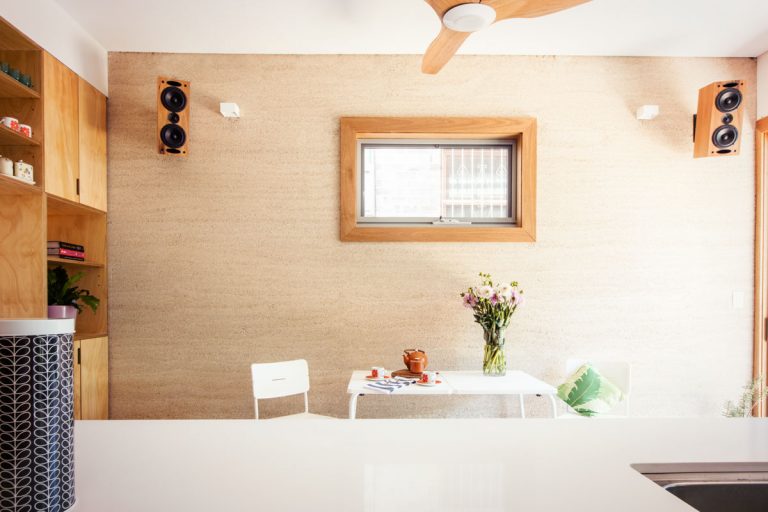
By raising the formwork progressively as the wall is packed, builders can achieve long continuous runs of hempcrete with minimal visible joins.
Innovation Is Accelerating in Hemp Building
Australia’s hemp building sector is still in its early stages, which means innovation is happening rapidly.
Builders are constantly refining tools, formwork systems, and construction methods to make hemp building:
- Faster to build
- Safer on site
- Easier for smaller teams
- More cost-effective
Projects like this one in the Blue Mountains show how practical experimentation on real building sites is pushing the industry forward.
From hybrid block-and-cast systems to mechanical slipform innovations, the next generation of hemp building methods is already taking shape.
Gallery | How Crank Formwork and Hempcrete Blocks Are Advancing Hemp Building
Disclaimer
HBD do not warrant the quality or experience of anyone listed on this directory.
We have relied on the information provided by the business and its representatives.
This site is not intended to provide and does not constitute building advice, or other professional advice.
This is an ad by Google