Based on “Alternative building materials are on the rise, but some people are not happy” by Bevin Liu, The Fifth Estate, 16 October 2025 (The Fifth Estate)
With thanks to iHemp NSW and WWF to organising Sustainable Timber Solutions: A Parliamentary Showcase
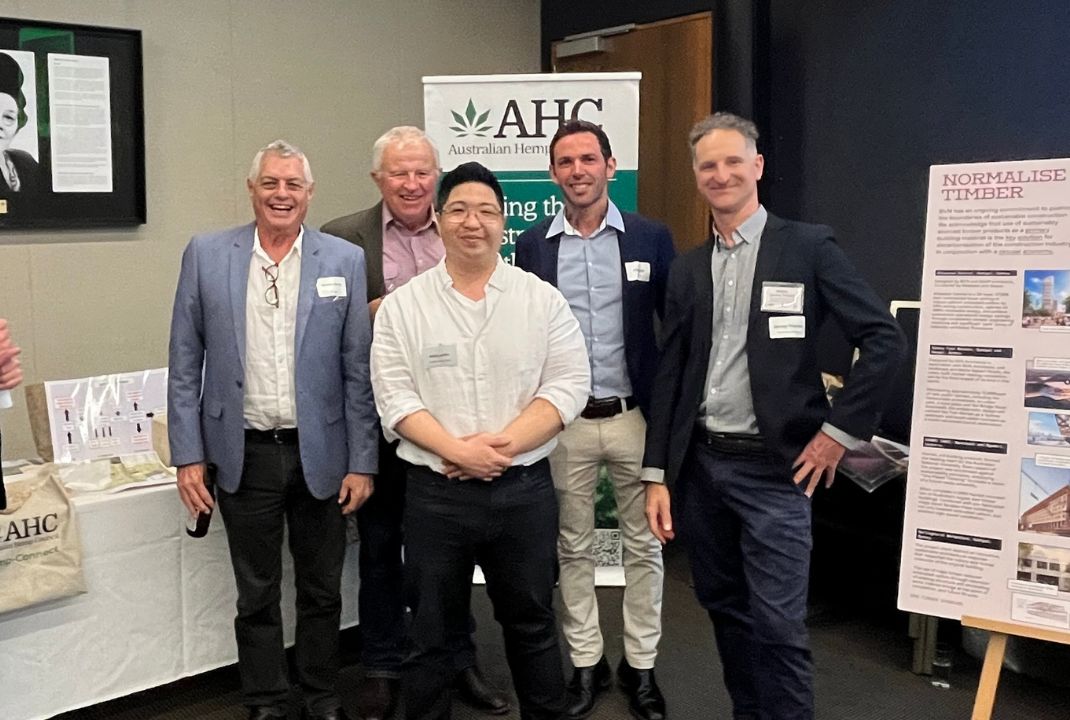
An event held at NSW Parliament this week brought parliamentarians, industry players, and alternative materials start-ups together to shine a spotlight on the future of building, one that could dramatically reduce our reliance on logging native forests. Central to the discussion: hemp, with bamboo and engineered timber included as strong supporting actors.
But not everyone was happy… While XLAM, providers of a range of pine timber products, was originally on the list of presenters, an industry source says the pressure from forestry sources had forced the company to pull out.
Hemp’s having a moment
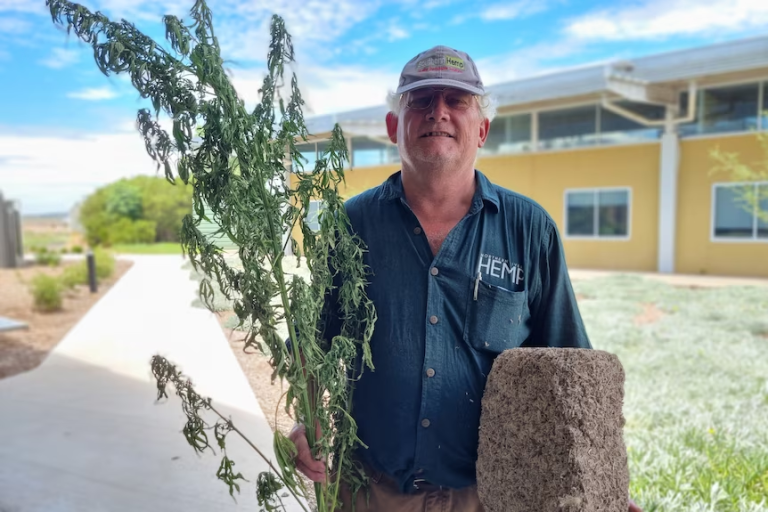
Hemp, often overlooked in mainstream construction, is now stepping into the limelight.
“Not everyone thinks of hemp as a solution … but there are some amazing solutions in hemp that we can really start to scale.” (The Fifth Estate)
Dermot O’Gorman, WWF
Start-ups such as Otetto (via iHemp NSW / Australian Hemp Council) showcased structural insulated panels made from hemp. These panels can be prefabricated and assembled into homes in just four to five days. Christopher Ball, co-founder of Otetto, emphasised that their challenge is cost parity.
“We’re competing with conventional materials … we’ve been doing it in pitches about $1,000 per square metre, and we’ve now brought it down to $500 to $600.”
Christopher Ball, Otetto
Ball argues that when you factor in savings from site costs and long-term energy performance, the effective cost falls further, making hemp a compelling option.
Meanwhile, Bob Doyle from Hemp Inside stressed the importance of “permanence”, that is, locking carbon in. Some hemp products degrade in a few years, but Doyle says housings built with hemp can last 25 years or more.
“When hemp is used in housing, the products can last 25 years or more … That permanence is key — it helps New South Wales and Australia meet our emissions targets while saving cash.”
Bob Doyle
He also called for policy support, hoping hemp’s carbon sequestration can be recognised under the Paris Agreement and eligible for ACCUs (Australian Carbon Credit Units).
Bamboo, timber alternatives, and cultivation speed
While hemp concentrates on fibre, panels, insulation and composites, bamboo plays a complementary role. As North Coast Environment Council’s Susie Russell noted:
“Why would we cut down 100-year-old trees … when we can actually grow [bamboo] quickly, have a new industry and create more jobs?”
Susie Russell, North Coast Environment Council’s
Bamboo matures in roughly five years, making it far faster than hardwood trees. Russell also pointed out that hemp can grow in just one year, offering a scale advantage:
“Then we started talking to the hemp people, and they also have products that are a replacement for timber products … they can grow theirs in a year.”
Engineered timber, especially from plantation pine, was also part of the conversation, though pressure from traditional forestry interests reportedly led at least one timber firm to withdraw from participation.
Challenges ahead: scale, regulation, investment
Architects and firms like BVN, represented by Adrian Taylor, welcomed the crop-material movement but cautioned about gaps.
“Timber crops like hemp and bamboo produce more material in less time … the ratio of land to product is improved, even if they can’t stand in for all timber applications.” (The Fifth Estate)
Adrian Taylor, BVN

However, legislative inertia and underinvestment in processing infrastructure are real obstacles. Even sourcing enough domestic sustainable timber is a struggle for major projects.
On policy, the transition away from native forest logging is gaining recognition. Justin Field (Forest Alliance NSW) cited an inquiry report that flagged opportunities for plantations and alternative materials to become integral to the future of construction.
But he notes the economic imperative: the state’s logging body is losing money every year, fined for environmental breaches, and facing legal action. Field argued that protecting mature forests, ceasing native logging, and enabling materials like hemp are economic, ecological, and carbon imperatives all at once.
Looking forward
The event was more than symbolic, it was a statement that alternatives to forest logging are no longer hypothetical. Hemp and bamboo technologies are available now, and increasingly proven in prototyping, demonstration homes, and pilot projects. With the right investment, scale and supportive regulation, they may undercut the timber argument from first principles.
“It’s not just about what we stop,” O’Gorman reminded the audience, “but about the solutions that are already here, and how we scale them together.”
Dermot O’Gorman, WWF
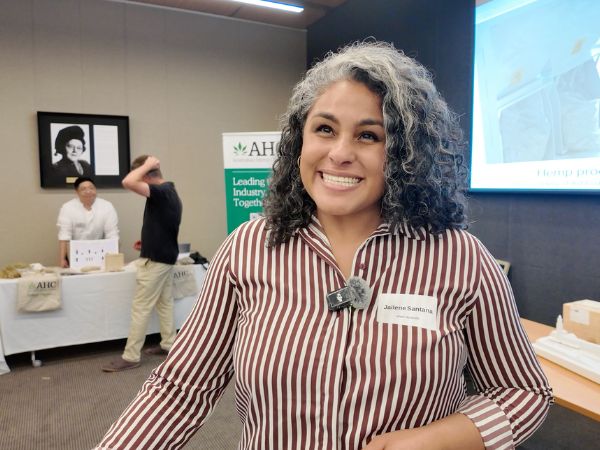
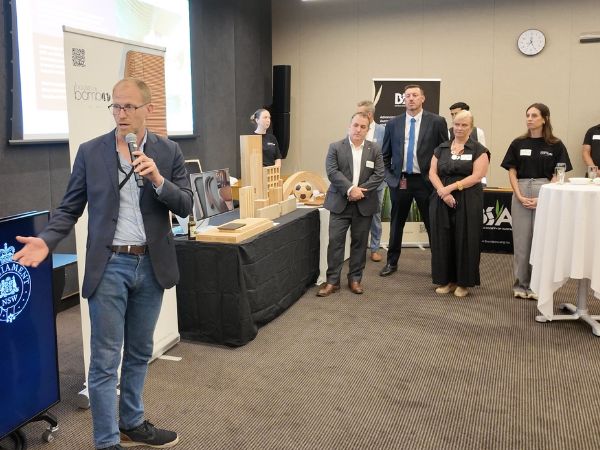
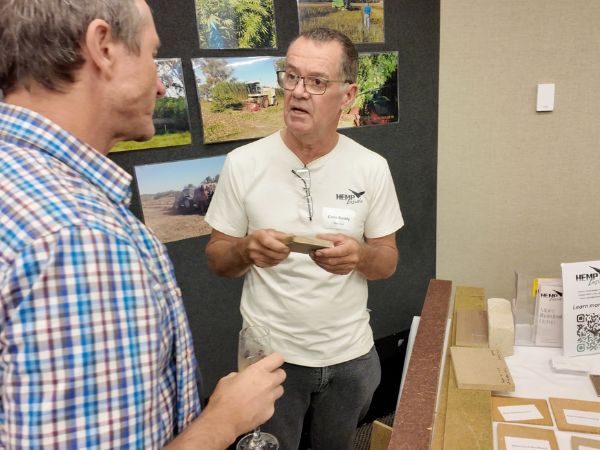
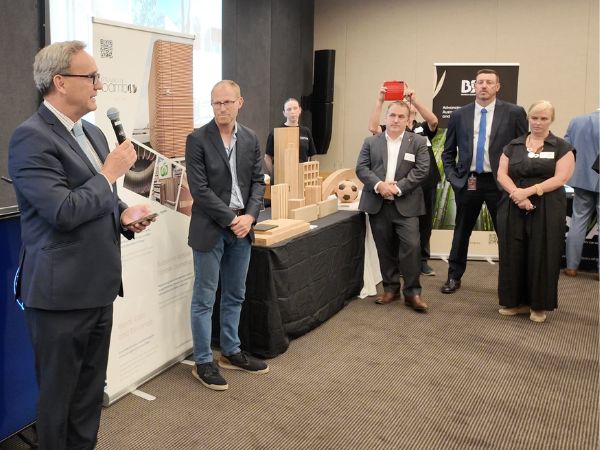
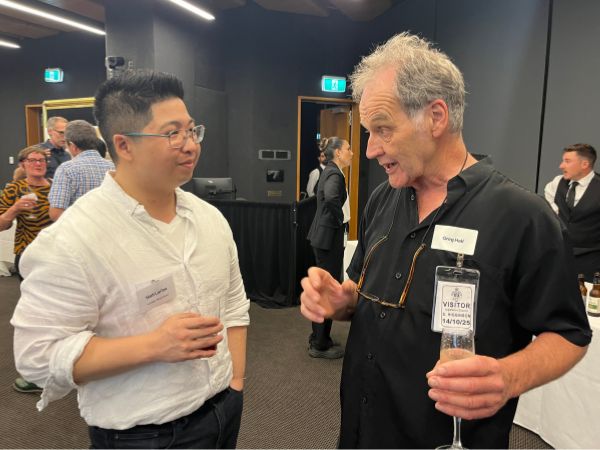
Gallery: Sustainable Timber Solutions: A Parliamentary Showcase – Alternative building materials (hemp)
Please Contribute


99% of this work is done in-kind. There are many ways to support us, but the easiest is to buy us a coffee. Every contribution helps…and knowing someone values our efforts gives us a real boost. Your support, no matter the size, means the world to us.

Disclaimer
HBD do not warrant the quality or experience of anyone listed on this directory.
We have relied on the information provided by the business and its representatives.
This site is not intended to provide and does not constitute building advice, or other professional advice.
This is an ad by Google